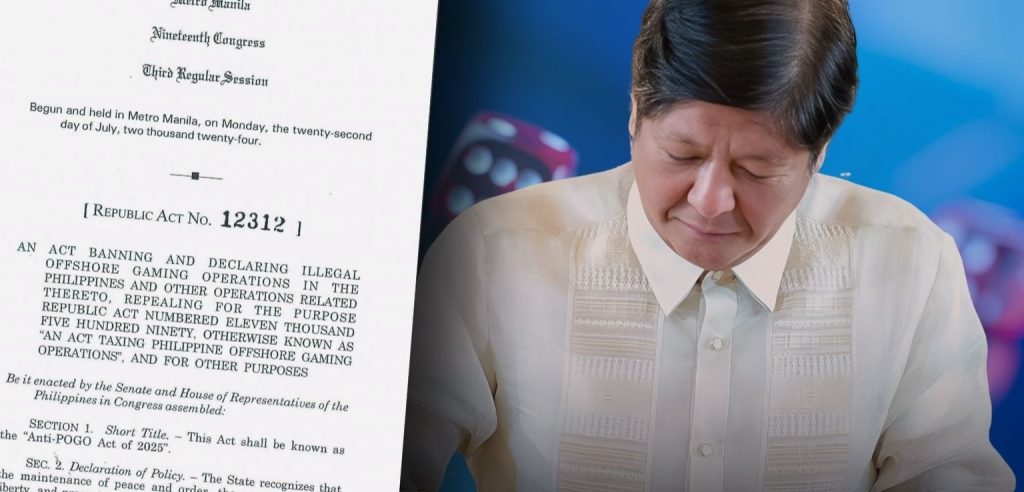

Almost 10 months after the administrative ban was imposed by the President of the Philippines, Ferdinand Marcos Jr., the country formally signed on 23 October the Offshore Lottery Act 2025 (Act No. 12312), which formalized the ban on offshore lottery into law. The new law expressly prohibits all offshore lottery operations and repeals the legal system that previously legitimized the industry.
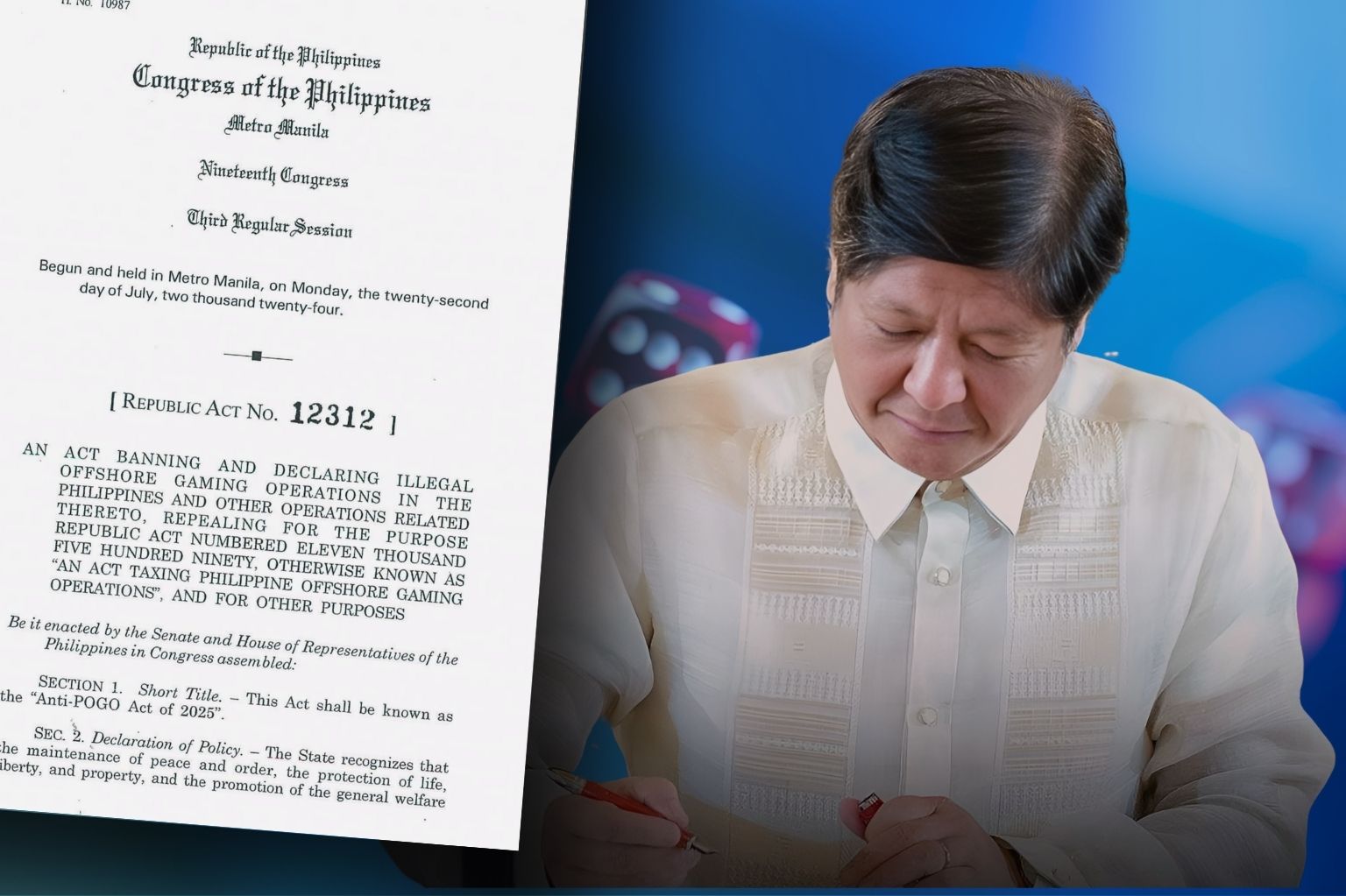
The Law on Offshore Lottery repealed Republic Act 11590, which had previously issued licence plates for offshore lottery. The law prohibits the establishment, operation or conduct of offshore lottery operations in the Philippines, prohibits all forms of investment related to offshore lottery and criminalizes the provision of offshore lottery content services, the operation of lottery centres and the possession or introduction of lottery equipment. It is noteworthy that the new law permanently eliminated all previously issued offshore lottery operating licences. The Government has also revoked work visas and permits for foreign employees to return to their country of origin or nationality. All outstanding taxes and charges remain recoverable and the IRS is responsible for the audit. The purpose of the law is to emphasize the rights and interests of the State in guaranteeing peace and order, protecting the free possession of life and property and safeguarding public welfare, which are considered essential elements for the realization of democratic practice. The law is an important expression of respect for human dignity and the human rights of all citizens and upholds these principles by prohibiting illegal offshore gambling.

In order to ensure the effective implementation of the ban, the Act establishes an Administrative Supervisory Commission, headed by the Chairman of the Presidential Commission against Organized Crime. Repeated offenders face progressive punishment: first-time offenders are sentenced to up to eight years ‘ imprisonment and a fine of 15 million pesos (approximately US$ 255,000); second or more violations are subject to harsher penalties, including up to 12 years ‘ imprisonment and a fine of 50 million pesos (approximately US$ 850,000). Public officials who break the law will use the maximum penalty. Ferdinand Marcos Jr. initially issued an executive order last November, imposing a ban from 1 January 2025, when new applications and renewals for offshore and Internet lottery licences were banned and all existing offshore lottery and ancillary services were required to be closed down by 2024. The Bill now provides legal support for this supervisory position. Although the Act is primarily aimed at offshore gambling, the Government should assist affected Filipino workers. Institutions such as the Ministry of Labour and Employment need to help local workers who have lost their jobs as a result of off-shore auctions become overemployed and provide new employment opportunities.

The adoption of this legislation marked a major policy shift in the Philippine gaming industry, which consolidated the Government ‘ s strong stance against offshore gaming with a solid legal platform aimed at addressing related social, economic and regulatory issues. The Law against Offshore Lottery has become a powerful instrument for the complete eradication of offshore lottery activities, based on democratic values, public order and welfare.