
At a time when the latest flagship AI model GPT-5 had failed, OpenAI had begun a new strategic experiment. Recently, the company announced the introduction of a cheap version of ChatGPT Go subscription service in India, at a monthly rate of only 399 Indian rupees (approximately 35 yuan), located between a free version and a Plus package of $20 (approximately 144 yuan).
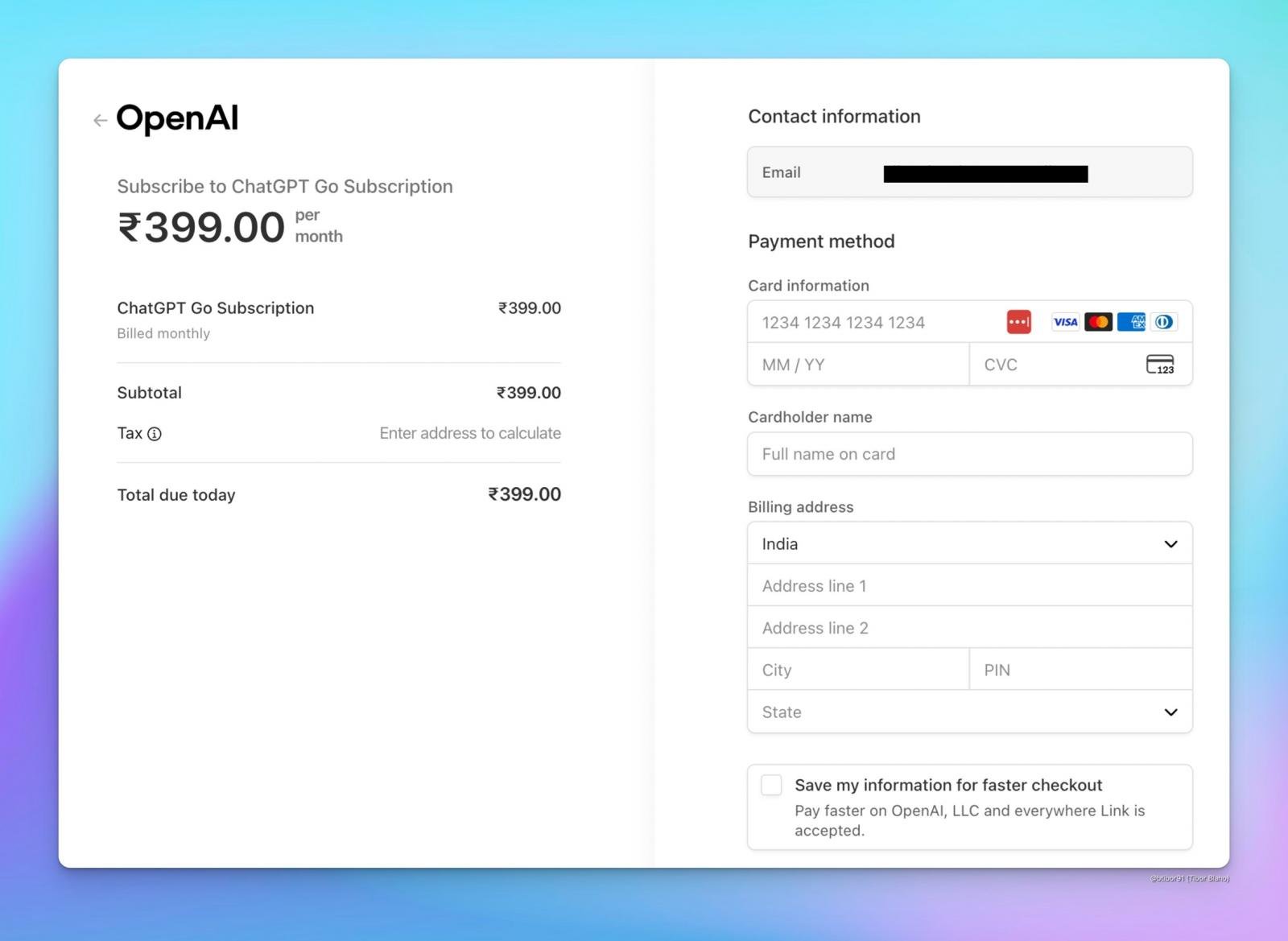
The use of ChatGPT Go is much higher than the free version. On social platforms, Nick Turley, Chief of ChatGPT Products, emphasized that the number of ChatGPT Go messages increased tenfold compared to the free version, the number of images generated increased tenfold, the number of documents uploaded tenfold and the memory capacity of AI doubled.
Indian users can now settle directly with rupee and support UPI payments. The service covers the end of the web page, iOS, Android and desktop applications, with the initial phase limited to the Indian region. The Wall Street Journal reveals that this is a regional test that will reach more markets in the future or on the basis of feedback.
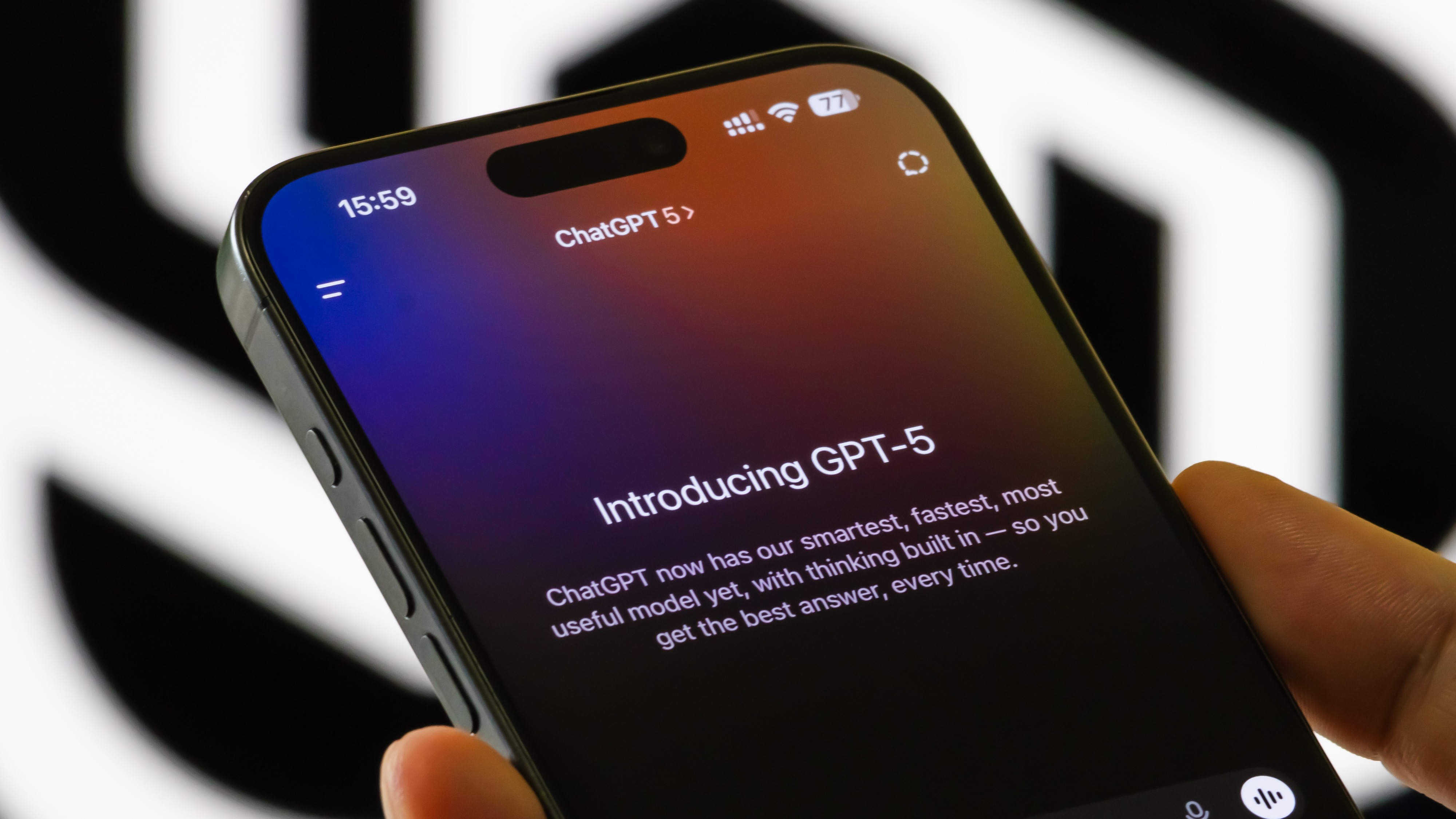
The launch of the cheap version of the ChatGPT Go package coincided with OpenAI’s many-time launch of its latest flagship model, GPT-5, which received complaints of failure, slow response and “ flattening” of output style, prompting the company to restore GPT-4o’s access to pay users, even though Chief Executive Sam Altman promised to fix the problem and add new control options. Subsequently, OpenAI increased speed limits, increased model options and reopened the Model Selector to mitigate transition problems.
ChatGPT ‘ s top version in India is worth Rs. 19900, while ChatGPT Plus is worth Rs. 1999 per month. By setting the price of ChatGPT Go at about one fifth of the Plus version, OpenAI aims to use the Indian market as a test field for this strategy.
Earlier this year, Sam Altman met with the Indian Minister of IT to discuss plans to create a low-cost AI ecosystem. Altman recently stated that India is the second largest market in the world after the United States of America and that it is likely to be the largest market in the world in the near future.
Localized pricing responds to the core demands of Indian users. In-industry analysis suggests that this will both ease the pressure of the GPT-5 transition period and be able to target competitors such as Anthropic in the middle market.